
Disc Prolapse: Quick Guide to Recovery
Disc prolapse occurs when a spinal disc bulges or ruptures, causing back pain, numbness, or weakness. Learn causes, symptoms, treatment, and physiotherapy recovery.
5/8/20241 min read
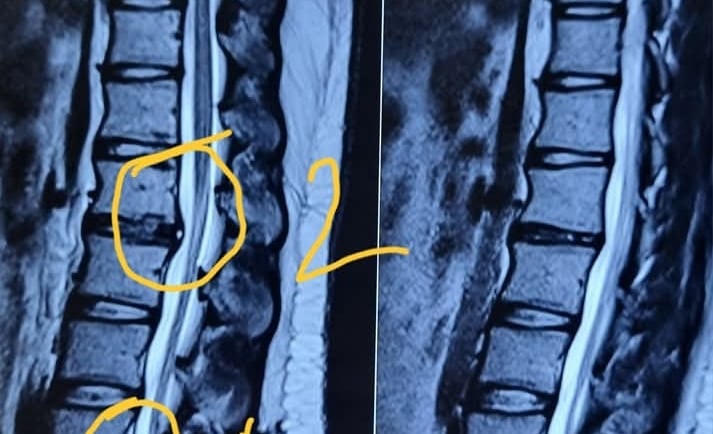
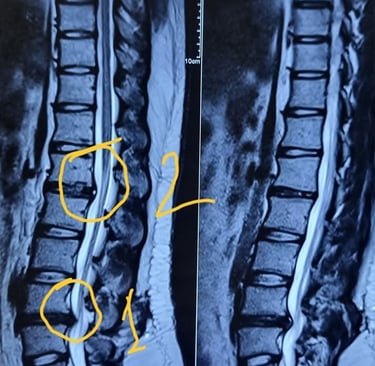
🍀 Disc prolapse:
Disc Prolapse also known as a herniated disc, is a condition where the soft inner gel of a spinal disc bulges out through a tear in its outer layer, often causing pain and nerve compression.
🍀 Disc Prolapse Symptoms:
Disc prolapse symptoms include sharp lower back pain, numbness or tingling in the limbs, muscle weakness, and pain radiating down the leg (sciatica).
🍀 Disc Prolapse Causes:
Disc prolapse causes include age-related degeneration, sudden heavy lifting, repetitive strain, trauma, and poor posture.
🍀 Stage of Disc Prolapse:
Disc prolapse stages range from mild bulging of the disc to severe herniation where the inner gel pushes out completely through the outer layer, potentially causing nerve compression and pain.
🍀 Disc Prolapse Red Flag Sign :
A red flag sign for disc prolapse includes sudden loss of bowel or bladder control, which indicates potential severe nerve compression and requires immediate medical attention.
🍀 Diagnosis:
Diagnosis of disc prolapse typically involves a combination of medical history review, physical examination assessing reflexes and strength, and imaging studies such as MRI or CT scan to visualize the spine and confirm the location and severity of the prolapsed disc.
🍀 Treatment For Disc Prolapse:
Treatment of disc prolapse often begins with conservative measures such as rest, pain medications, physical therapy, and epidural steroid injections. Severe cases may require surgical intervention to relieve nerve pressure and stabilize the spine.
🍀 When surgery needed disc Prolapse:
Surgery for disc prolapse is typically needed when conservative treatments fail to relieve severe pain or if there is significant nerve compression causing weakness, numbness, or bowel/bladder dysfunction.
🍀 Physiotherapy Management:
Physiotherapy for disc prolapse focuses on strengthening core muscles, improving flexibility, and correcting posture to reduce pressure on the spine. It includes exercises to stabilize the spine, manual therapy to relieve pain, and education on proper body mechanics to prevent future injury.
🍀 Advice Disc Prolapse:
For disc prolapse, it's crucial to avoid heavy lifting, maintain good posture, stay active with gentle exercises, and seek medical advice promptly if symptoms worsen or include red flag signs like loss of bowel or bladder control.
Expert Physiotherapy Home Services Provide All Dhaka City
Support
info@physioseba.com
© 2019. All Rights Reserved , PHYSIO SEBA
About us
01914-958 611