Physiotherapy service across Uttara sectors · Dhaka

Physiotherapy in Uttara, Dhaka

Physio Seba provides assessment-based physiotherapy in Uttara, including physiotherapist home visits for appropriate stroke rehabilitation, elderly mobility care, back and knee problems, post-surgery recovery, neurological conditions and other movement-related needs. The service is planned around the patient’s condition, safety, goals and ability to travel—not around a one-size-fits-all package.

  • Uttara Service Area
  • Assessment First
  • Male/Female Therapist Request
  • 7-Day Booking
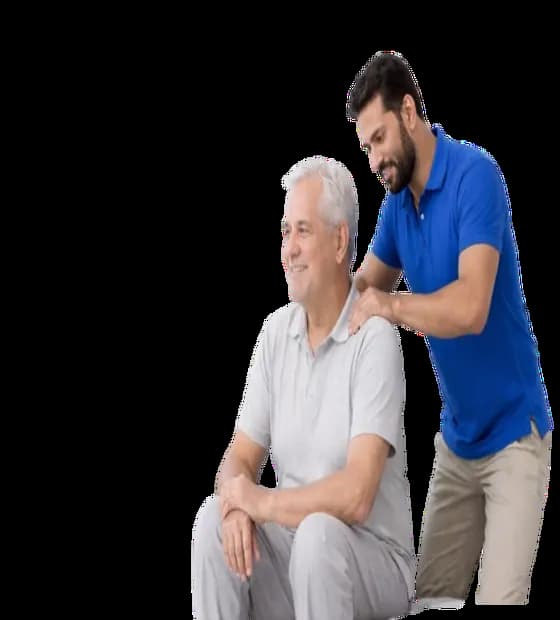
Physiotherapist assisting an older adult during a physiotherapy visit

Uttara Physiotherapy: Quick Facts

This page is designed for people searching specifically for physiotherapy in Uttara and trying to decide whether a clinic visit or a physiotherapist visit to the residence is more suitable. Physio Seba currently lists Uttara among its Dhaka service areas and provides booking by phone or WhatsApp.

Service areaUttara, Dhaka
Service modelPhysiotherapist visit plus Physio Seba’s Dhaka clinic option
BookingPhone or WhatsApp
HoursSat–Thu 8 AM–10 PM; Fri 2 PM–10 PM

Professional Physiotherapy Service in Uttara

Uttara has several established physiotherapy clinics, so a patient does not need another page that simply claims to be “the best.” The practical question is whether the patient needs clinic-based rehabilitation or a qualified physiotherapist who can assess and treat them where they live. Physio Seba focuses on the second option while remaining clear that some patients are better served in a clinic, hospital or multidisciplinary setting.

Who may benefit from a visit-based service?

Stroke survivors, older adults, people with significant walking difficulty, post-surgical patients, people with painful travel, and families who need caregiver guidance may find a visit-based service practical when it is clinically appropriate.

What can be assessed in the real environment?

Depending on the condition, the physiotherapist may assess transfers, standing, walking, stairs, bed mobility, seating, balance, exercise space and caregiver assistance in the environment where daily movement actually occurs.

What is the goal?

The goal is meaningful improvement in movement, function, confidence, activity tolerance and self-management. No ethical provider can guarantee complete recovery, pain elimination or a fixed number of sessions before assessment.

Physiotherapy Services in Uttara

The treatment category is selected from the patient’s presentation and rehabilitation goals. A diagnosis alone does not determine the complete plan. Relevant examination findings, medical history, function, pain behavior, neurological status, safety and response to previous care all matter.

Stroke & Neurological Rehabilitation

Physiotherapy for medically stable patients with movement problems after stroke or selected neurological conditions, with emphasis on function, balance, gait, transfers, strength and caregiver education.

Back, Neck & Sciatica Physiotherapy

Assessment-based management using education, graded activity, therapeutic exercise and other clinically appropriate interventions rather than relying on passive treatment alone.

Knee Pain & Osteoarthritis Rehabilitation

Tailored strengthening, mobility, walking and functional exercise with progression based on symptoms, physical function and goals.

Post-Surgery Rehabilitation

Progressive rehabilitation after appropriate medical clearance, following operation-specific precautions, healing stage and surgeon or medical-team instructions.

Elderly & Balance Physiotherapy

Strength, transfers, gait, balance, fall-risk management, mobility-aid guidance and functional training designed around the older person’s health and living environment.

Sports Injury Rehabilitation

Progressive loading, mobility, strength and return-to-activity planning for selected sports injuries after appropriate assessment.

PLID / Disc-Related Rehabilitation

Assessment of back and leg symptoms with attention to neurological findings, functional limitations, red flags and symptom response rather than treating the MRI image alone.

General Physiotherapy Visit Service

Assessment and individualized rehabilitation for suitable movement, mobility or pain-related problems when a physiotherapist visit is appropriate.

How Our Physiotherapy Service Works

A good physiotherapy service should not begin with a machine or a package. It should begin with enough information to decide whether physiotherapy is appropriate, whether a visit is safe and what should be assessed first.

Call or WhatsApp

Share the main problem, preferred time and Uttara sector or road.

Basic Triage

Age, diagnosis if known, symptom duration, mobility status, surgery history and relevant reports are reviewed.

Therapist Assignment

The team checks clinical fit, schedule and any male/female therapist preference.

Assessment

The physiotherapist examines relevant movement, function, strength, balance, gait or neurological findings.

Plan & Review

Treatment, exercises, frequency and progress measures are adjusted according to response and goals.

What Happens During Your First Physiotherapy Session?

The first session is usually assessment-led. Not every test is suitable for every patient, and the physiotherapist should modify the examination for age, surgery precautions, neurological status, pain irritability, fall risk and medical stability.

1. History & Reports

The therapist discusses the main problem, duration, previous treatment, surgery, falls, medication relevance, medical diagnoses and goals. Relevant prescriptions, imaging, discharge notes or operative instructions may be reviewed when available.

2. Movement & Function

Depending on the presentation, assessment may include range of motion, strength, balance, gait, transfers, bed mobility, posture, functional tasks, pain behavior or neurological screening.

3. Goals & Initial Plan

The physiotherapist explains the findings in understandable language, identifies realistic priorities, starts suitable treatment or exercise when safe and recommends a review plan or medical referral if needed.

What to prepare:

Keep relevant reports and prescriptions available, wear comfortable clothing, create a safe space for movement and tell the physiotherapist about recent fever, falls, surgery, new weakness, dizziness, chest symptoms or other significant changes.

How Progress May Be Measured

Progress should be linked to meaningful outcomes rather than vague statements such as “you are getting better.” Measures vary by diagnosis and patient goals.

Pain & symptom behavior

Changes in pain intensity, irritability, radiating symptoms or activity-related flare patterns may be tracked when relevant.

Movement & strength

Range of motion, specific functional strength and ability to tolerate progressive exercise may be reassessed.

Balance & walking

Standing tolerance, gait assistance, walking distance, turning, stairs or fall-risk indicators may be monitored for suitable patients.

Daily function

Bed mobility, transfers, dressing, household movement, work-related activities or community mobility can be used as practical goals.

Exercise adherence

The therapist may review whether exercises are understood, tolerated and realistic within the patient’s routine.

Reassessment

If progress is slower than expected, symptoms worsen or the clinical picture changes, the plan should be reassessed instead of continuing the same treatment automatically.

Why Choose Physio Seba for Physiotherapy in Uttara?

Visit-based service focus

Physio Seba’s public website lists Uttara among its Dhaka service areas, which makes the page relevant to patients who prefer or require care without repeated clinic travel.

Assessment before promises

The page avoids guaranteed cures, fixed recovery times and “100% success” claims. Treatment planning should follow examination findings and response.

Active rehabilitation emphasis

Exercise, movement practice, strength, balance, gait, education and functional rehabilitation are prioritized when appropriate rather than presenting electrotherapy as the whole treatment.

Clinical safety language

Red flags and situations that require medical assessment are explained so a routine physiotherapy booking does not replace appropriate urgent care.

Therapist preference

Male or female therapist requests can be discussed during booking, subject to availability and clinical requirements.

Transparent location logic

Uttara is represented as a service area. The page does not invent a fake Uttara clinic address for SEO.

Meet the Physio Seba Physiotherapy Team

The qualifications and clinical focus below reflect information currently published on Physio Seba. Before adding a “medically reviewed by” label to this exact page, the named clinician should actually review the final published content.

Al-Amin Hossain

MPT, BPT, DPT

Listed for stroke and neurological rehabilitation, mobility training and functional rehabilitation.

Nur Islam

MPT, BPT, DPT

Listed for musculoskeletal and pain rehabilitation, including back, neck, knee and shoulder-related problems.

Amdadul Haque

DPT

Listed with a focus on elderly care, mobility, balance, post-surgery rehabilitation and physiotherapy visits.

Stroke Rehabilitation Physiotherapy in Uttara

For medically stable people with movement problems after stroke, physiotherapy may address weakness, balance, transfers, walking, upper-limb activity, endurance and everyday functional tasks. NICE recommends physiotherapy for people after stroke when weakness, sensory disturbance or balance problems affect movement, and recommends appropriately skilled physiotherapists, strength training for relevant weakness and repetitive task or walking training for suitable patients.

The plan should be individualized. A person who is medically unstable, has a new neurological deterioration or has symptoms of another acute stroke needs appropriate medical assessment rather than routine rehabilitation alone.

Read Physio Seba’s stroke rehabilitation page.

Physiotherapy for Elderly, Frail and Mobility-Limited Patients

Older adults often have more than one issue influencing mobility: weakness, joint stiffness, pain, balance problems, fear of falling, reduced endurance, medication effects or deconditioning after illness. Rehabilitation should therefore be more than a single exercise sheet.

Depending on the patient’s condition, physiotherapy may include sit-to-stand practice, walking, balance, lower-limb strength, transfer training, joint mobility, mobility-aid guidance, fall-prevention strategies and caregiver education. A visit can also reveal practical environmental barriers that are difficult to identify from a clinic alone.

Back Pain, Knee Pain, Neck Pain and Musculoskeletal Physiotherapy

Common musculoskeletal problems do not all need the same protocol. Back pain with sciatica, knee osteoarthritis, frozen shoulder, post-injury pain and mechanical neck pain differ in prognosis, appropriate exercise and referral needs.

ProblemTypical assessment prioritiesRehabilitation emphasis
Low back pain / sciaticaSymptom behavior, neurological signs, movement, function, red flagsEducation, activity, exercise, graded function; manual therapy only when appropriate as part of a broader plan
Knee osteoarthritisPain, function, strength, walking, joint movement, activity toleranceTailored therapeutic exercise, strengthening, activity advice and functional progression
Frozen shoulderPain irritability, movement restriction, stage, daily activity limitationsGraded movement, exercise and appropriate manual techniques according to tolerance
Neck painMovement, symptom pattern, posture/activity demands, neurological features when indicatedExercise, movement retraining, activity or ergonomic advice and appropriate symptom management

For low back pain and sciatica, NICE recommends advice and activity, considers exercise, and advises against routine traction, ultrasound, TENS and interferential therapy. For osteoarthritis, tailored therapeutic exercise is a core treatment, and manual therapy should not be used as a standalone substitute for exercise.

Post-Surgery Physiotherapy in Uttara

Post-surgical rehabilitation must follow the operation, the stage of healing, medical stability and any surgeon-specific restrictions. A knee replacement, hip surgery, spine procedure and abdominal operation cannot be treated with one generic programme.

Early priorities

Safe transfers, walking, swelling or pain management strategies, breathing or circulation-related movement where appropriate, and protection of the surgical area.

Progressive rehabilitation

Range of motion, strength, endurance, gait, stairs and everyday activities are progressed when medically and surgically appropriate.

When to contact the medical team

Unexpected wound problems, fever, severe swelling, chest symptoms, sudden breathlessness, acute calf pain/swelling or major new neurological symptoms require medical attention rather than routine exercise progression.

PLID, Disc-Related Back Pain and Sciatica in Uttara

A disc bulge or PLID finding on MRI does not automatically explain every symptom and should not be treated as a scan image in isolation. Relevant assessment includes pain distribution, neurological symptoms, strength, sensation, movement, gait, daily activity limitations and red flags. Some people may need medical or surgical specialist review, particularly with rapidly progressive weakness, bladder/bowel disturbance or saddle-area sensory changes.

For appropriate patients, rehabilitation may include education, graded activity, individualized exercise, trunk and hip strengthening, mobility, functional loading and return-to-work planning. Traction or any named technique should not be promoted as a universal solution.

Read the detailed PLID physiotherapy guide.

Sports Injury Rehabilitation in Uttara

Sports rehabilitation should progress beyond temporary pain relief. After appropriate assessment, the plan may address joint mobility, tissue loading, strength, balance, coordination, conditioning, sport-specific movement and return-to-sport criteria. Recovery time depends on injury type and severity rather than the number of modalities used.

Explore sports injury rehabilitation.

Physiotherapy in Uttara: Clinic Visit or Physiotherapist Visit?

Uttara has several established physiotherapy centers with physical facilities. A visit-based service is not intended to pretend those clinics do not exist. The better choice depends on the patient’s condition, mobility, goals and need for equipment or multidisciplinary care.

SituationPhysiotherapist visit may be practicalClinic/hospital may be preferable
Stroke or severe mobility limitationWhen travel is difficult and real-environment mobility or caregiver training is importantWhen the patient needs multidisciplinary or medically supervised rehabilitation not available during a visit
Post-surgeryWhen the surgeon has cleared rehabilitation and travel is difficultWhen there are wound/medical concerns, complex equipment needs or surgeon-directed facility care
Back, knee or neck painWhen an assessment and exercise-based plan can be delivered safely in the residenceWhen the presentation requires specialist imaging, medical evaluation or facility-specific testing
Sports injuryFor early or intermediate rehab that can be completed with portable equipment and functional exerciseWhen high-level return-to-sport testing or specialized facility equipment is required

Evidence-Based, Goal-Focused Treatment Approach

Physiotherapy should not be reduced to ultrasound, TENS, IFT, traction or any other machine. Those modalities are condition-specific and some are not recommended for common conditions such as low back pain or osteoarthritis. The central question is what intervention is appropriate for this patient, at this stage, for this goal.

Assessment

Identify the main symptoms, impairments, functional limitations, medical risks, environmental barriers and patient priorities.

Shared goals

Define practical outcomes such as standing, walking, climbing stairs, returning to work, dressing independently or tolerating household activity.

Active rehabilitation

Use individualized therapeutic exercise, movement practice, progressive strengthening, gait or balance work when indicated.

Education

Explain the condition, activity guidance, pacing, home exercises, safety and what changes should trigger reassessment.

Adjunct treatment

Hands-on techniques or portable modalities may be considered when clinically appropriate but should not automatically replace active rehabilitation.

Reassessment

Progress should be reviewed against meaningful outcomes and the plan modified when the response is not as expected.

What We Do Not Promise

Physio Seba should not promise “100% cure,” “pain-free in a few sessions,” “guaranteed walking after stroke,” “full recovery in X days,” or a fixed number of sessions without assessment. Recovery depends on diagnosis, severity, tissue healing, neurological status, general health, participation, medical complications, goals and many other factors.

Physiotherapy Cost in Uttara

The current fee for physiotherapy in Uttara can vary with the condition, visit requirements, therapist level, treatment duration and exact location. Physio Seba’s public website currently directs patients to call or WhatsApp for an exact quote rather than publishing one universal session price.

For the current Uttara fee: 01914-958611 or WhatsApp Physio Seba.

For transparency, the fee should be confirmed before the appointment. If the recommended frequency changes after assessment, the reason should be explained rather than simply increasing the number of sessions.

Physiotherapy Coverage Across Uttara

Physio Seba currently lists Uttara as one of its Dhaka physiotherapy service areas and describes coverage across Uttara sectors. Because therapist routing changes by time and location, confirm the exact sector, road or nearby landmark when booking.

AreaUttara, Dhaka
Exact sectorConfirm during booking
Female therapistSubject to availability
Same-day requestSubject to availability
Physio Seba published clinic/base:
Nobin Tower, Kajla, Jatrabari, Dhaka 1204
Uttara: service area for physiotherapist visits; not represented here as a separate physical branch.
Phone: 01914-958611

Patient Experience from Uttara

“Good service for my knee pain in Uttara. Took a few extra sessions to feel real relief, but the home convenience made it worth it.”
Shahriar Hossain · Uttara · Knee Pain Physiotherapy — testimonial currently published on Physio Seba

Patient experiences and outcomes vary. This page does not use self-serving review or aggregate-rating schema for Google star eligibility.

Questions to Ask Before Booking Any Physiotherapy Provider

Uttara has many clinics and physiotherapists. A useful comparison should focus on clinical quality and transparency, not just advertising claims.

Who will assess me?

Ask for the physiotherapist’s name, qualification and relevant clinical experience.

How will progress be measured?

Ask what functional or clinical outcomes will be reassessed and when the plan will be reviewed.

Why is this treatment recommended?

A provider should explain the reason for exercise, manual techniques or equipment rather than simply listing machines.

What are the limits?

Be cautious of guaranteed cures, unrealistic fixed timelines or claims that every patient needs the same package.

When would you refer me?

A responsible physiotherapist should recognize red flags and know when medical or specialist assessment is more appropriate.

What will I do between sessions?

For many conditions, self-management and a realistic exercise or activity plan are important parts of rehabilitation.

30 Frequently Asked Questions About Physiotherapy in Uttara

These answers are general information for patients and families searching for physiotherapy in Uttara. Individual diagnosis, prognosis and treatment require appropriate clinical assessment.

Do you provide physiotherapy in Uttara, Dhaka?

Yes. Physio Seba provides physiotherapy services across Uttara, Dhaka, including home visits. Availability depends on the exact sector, requested time, therapist availability and the patient’s clinical needs.

Can a physiotherapist visit my residence in Uttara?

Yes. A physiotherapist can be arranged for a home visit in Uttara when availability and the patient’s needs allow. This can be practical for stroke survivors, older adults, post-surgical patients and people who have difficulty travelling.

How do I book physiotherapy in Uttara?

Call or WhatsApp Physio Seba and share the patient’s age, main problem, duration of symptoms, diagnosis if known, mobility status, relevant reports and Uttara sector or road. The team can then check availability and confirm the next suitable appointment.

How much does physiotherapy cost in Uttara?

The fee depends on the patient’s condition, visit requirements, therapist level, treatment duration and location. Physio Seba confirms the applicable current fee before booking; call or WhatsApp for the latest quote.

Can I request a female physiotherapist in Uttara?

Yes, a female physiotherapist may be requested. Availability depends on scheduling, area and clinical requirements, so mention the preference when booking.

Can I request a male physiotherapist in Uttara?

Yes, a male physiotherapist may be requested. Therapist assignment depends on availability, the patient’s condition and the requested appointment time.

Is same-day physiotherapy available in Uttara?

Same-day appointments may be possible, but they are not guaranteed. Availability depends on the time of booking, therapist schedule, traffic, sector and the patient’s needs.

Do you provide stroke physiotherapy in Uttara?

Yes. Physio Seba provides physiotherapy for medically stable stroke survivors with movement or functional problems. Rehabilitation may address strength, balance, transfers, walking, upper-limb activity, daily function and caregiver guidance according to individual needs.

Can physiotherapy help a stroke patient walk again?

Physiotherapy can help suitable stroke survivors work on strength, balance, transfers, gait and endurance, but walking recovery cannot be guaranteed. Outcome and speed of progress vary with stroke severity, impairments, general health, cognition, rehabilitation intensity and individual recovery potential.

When should physiotherapy start after a stroke?

Rehabilitation should begin when the patient is medically stable and the treating medical team considers it safe. The timing and intensity should be based on individual medical status, impairments and rehabilitation goals.

Do you provide physiotherapy for elderly patients in Uttara?

Yes. Physiotherapy for older adults may focus on strength, balance, walking, transfers, joint mobility, confidence, fall-risk reduction and maintaining independence. The programme should be adapted to health status, goals and safety.

Can bedridden or highly dependent patients receive physiotherapy?

Some bedridden or highly dependent patients can benefit from physiotherapy involving positioning, bed mobility, transfers, joint movement, strength, respiratory or functional activity where appropriate, and caregiver education. Suitability depends on diagnosis and medical stability.

Do you provide physiotherapy after surgery in Uttara?

Yes, home-based rehabilitation may be suitable after many operations when the patient is medically stable and rehabilitation is allowed by the surgeon or medical team. Treatment must follow procedure-specific precautions and the stage of healing.

Do you provide rehabilitation after knee replacement?

Yes, when medically appropriate. Physiotherapy after knee replacement can include knee movement, swelling and pain management strategies, strength, transfers, walking, stairs and progressive return to daily activities while following surgical precautions.

Can physiotherapy help knee osteoarthritis?

Yes. Tailored therapeutic exercise, strength training, activity guidance and functional rehabilitation are core non-surgical approaches for many people with knee osteoarthritis. Treatment should be adjusted to symptoms, goals and physical function.

Do you provide physiotherapy for back pain in Uttara?

Yes. Suitable cases of back pain can be assessed and managed with education, activity guidance, therapeutic exercise, graded movement and other clinically appropriate interventions. Treatment should not depend only on passive machines or a single technique.

Can physiotherapy help sciatica?

Physiotherapy may help some people with sciatica through clinical assessment, education, activity management and individualized exercise. Because leg pain, numbness or weakness can have different causes and levels of severity, neurological screening and red-flag assessment are important.

Do you provide PLID or disc-related rehabilitation in Uttara?

Yes. Physio Seba can assess appropriate patients with disc-related back and leg symptoms. Rehabilitation is based on symptoms, neurological findings, functional limitations and response to movement rather than the MRI report alone.

Do you provide physiotherapy for neck pain and cervical spondylosis?

Yes. Physiotherapy may help selected patients with neck pain, stiffness or functional limitations associated with cervical conditions. Treatment may include exercise, movement retraining, posture and activity advice and other interventions selected after assessment.

Can physiotherapy help frozen shoulder?

Physiotherapy can help improve shoulder mobility and function in many people with frozen shoulder. Treatment is progressed according to the stage of the condition, pain irritability, movement restriction and individual goals.

Do you provide sports injury rehabilitation in Uttara?

Yes. Physiotherapy can support recovery from selected sprains, strains and other sports-related injuries through assessment, progressive loading, mobility, strength, conditioning and return-to-sport planning.

What happens during the first physiotherapy session?

The first visit usually includes a review of symptoms and medical history, relevant reports, functional goals and an appropriate physical assessment. Depending on the condition, the physiotherapist may assess movement, strength, balance, walking, transfers or neurological status and then explain the initial rehabilitation plan.

How long does a physiotherapy session take?

Session duration varies with the patient’s condition, tolerance, goals and required interventions. The physiotherapist should determine an appropriate duration rather than applying the same fixed time to every patient.

How many physiotherapy sessions will I need?

There is no reliable fixed number for every patient. Session frequency and duration depend on diagnosis, severity, functional limitations, goals, progress, medical status and adherence to the rehabilitation plan.

Do physiotherapists bring equipment during visits?

Portable equipment may be brought when clinically appropriate, but effective physiotherapy does not always require machines. Exercise, movement practice, education, functional training, gait or balance work and appropriate hands-on techniques may be more important depending on the condition.

Is a home visit better than going to a physiotherapy clinic?

Neither setting is automatically better for everyone. A home visit can be convenient for people with mobility or travel limitations and allows assessment in the real living environment. A clinic or hospital may be better when specialized equipment, multidisciplinary care, close medical monitoring or facility-based testing is needed.

Is physiotherapy painful?

Physiotherapy should not be based on tolerating severe pain. Some movements or exercises can temporarily increase discomfort, particularly with stiffness or weakness, but intensity should be adjusted to the patient’s condition and response. Significant new or worsening symptoms should be reported.

What should I prepare before the physiotherapist arrives?

Keep relevant prescriptions, medical reports, imaging or discharge documents available if you have them. Wear comfortable clothing, keep enough clear space for safe movement and tell the therapist about recent surgery, falls, fever, new weakness, dizziness or other important medical changes.

Can family members or caregivers join the session?

Yes, with the patient’s permission. Family or caregivers can be especially helpful for stroke, neurological, elderly or mobility-limited patients, and may be taught safe assistance, transfers, exercises or daily movement strategies.

When should I seek medical care before physiotherapy?

Seek urgent medical assessment for symptoms suggesting an acute or serious problem, such as sudden new weakness, facial drooping or speech difficulty, severe chest pain or breathing difficulty, serious recent trauma, suspected fracture, rapidly worsening neurological symptoms, or new bladder or bowel problems with severe spinal symptoms.

Need Physiotherapy in Uttara?

Contact Physio Seba, share the patient’s condition and Uttara location, and ask for the next suitable physiotherapist appointment. Same-day requests and male/female therapist preferences are subject to availability.

About Physio Seba

Physio Seba is a Dhaka-based physiotherapy and rehabilitation service that provides physiotherapist visits across multiple areas of Dhaka, including Uttara. Its public website lists services for stroke rehabilitation, sports injury rehabilitation, post-surgery recovery, back pain, knee pain, frozen shoulder, elderly care and other physiotherapy needs.

For this Uttara page, the location is treated as a service area rather than a fake branch. The actual business details, telephone, opening hours and treatment descriptions should stay consistent across the website, Google Business Profile and other public listings.

Call WhatsApp