
Who may benefit?
Stroke survivors, older adults, post-surgical patients, people with walking difficulty, and selected patients with musculoskeletal or neurological conditions may benefit when home rehabilitation is clinically suitable.
Home-visit physiotherapy · Dhanmondi, Dhaka
Physio Seba provides assessment-based home physiotherapy in Dhanmondi for appropriate stroke rehabilitation, elderly mobility problems, back and knee pain, post-surgery recovery, sports injury rehabilitation and other movement-related conditions. A physiotherapist visits the patient at home, assesses relevant function and safety, explains realistic goals and plans rehabilitation around the person’s condition and daily environment.
ধানমন্ডিতে বাসায় ফিজিওথেরাপি প্রয়োজন হলে রোগীর বয়স, সমস্যা, চলাফেরার অবস্থা, ঠিকানা ও পছন্দের সময় WhatsApp বা ফোনে জানান। থেরাপিস্টের availability ও clinical suitability অনুযায়ী home visit নিশ্চিত করা হয়।
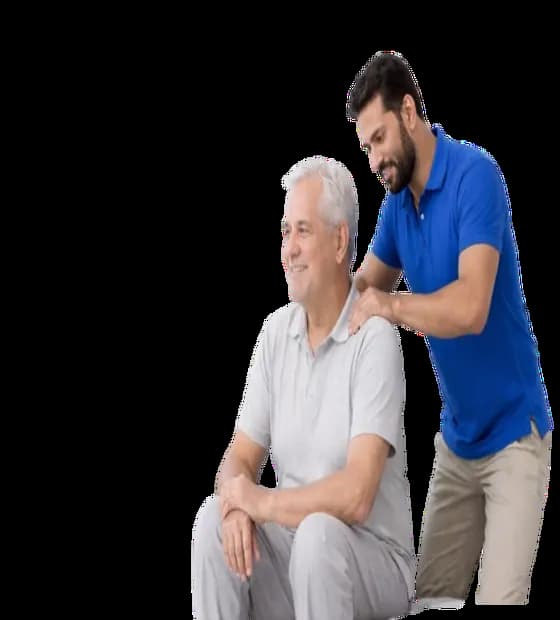
Key service details are summarized first so patients and family members can make a decision without searching through the entire page.
WHO describes rehabilitation as care that focuses on functioning and independence in everyday life. Depending on the condition, rehabilitation may be delivered in hospitals, clinics, community settings or a person’s home. The most appropriate setting depends on safety, medical stability, treatment goals, equipment needs and whether multidisciplinary services are required.
Stroke survivors, older adults, post-surgical patients, people with walking difficulty, and selected patients with musculoskeletal or neurological conditions may benefit when home rehabilitation is clinically suitable.
Relevant medical history, pain and symptom behavior, movement, strength, balance, walking, transfers, daily activities, mobility aids, environmental barriers and patient goals may be assessed as appropriate.
The goal is meaningful improvement in function, mobility, activity tolerance, safety, self-management and independence where possible—not a guaranteed cure, fixed recovery time or identical result for every patient.
Treatment is chosen after assessment. Depending on the presentation, care may include therapeutic exercise, movement retraining, gait and balance work, education, functional practice, caregiver instruction, graded strengthening, home exercises and clinically appropriate hands-on techniques. Passive modalities should not replace active rehabilitation when guidelines prioritize exercise and function.
Goal-based rehabilitation for appropriate movement problems after stroke, including strength, balance, transfers, walking and repeated functional practice. Complex swallowing, communication or cognitive needs may require a multidisciplinary stroke team.
Assessment-led care using education, activity guidance, exercise and other appropriate interventions. For low back pain and sciatica, routine traction, ultrasound, TENS and interferential therapy are not recommended by NICE.
Tailored strengthening, mobility and functional exercise. NICE describes therapeutic exercise as a core treatment for osteoarthritis and recommends manual therapy only alongside exercise when it is considered.
Progressive rehabilitation based on the procedure, healing stage, surgeon instructions, precautions, weight-bearing status and patient goals. No single protocol is suitable for every operation.
Strength, balance, gait, transfers, mobility-aid guidance, fall-risk management, confidence building and caregiver education according to the older person’s medical and functional needs.
Progressive loading, strength, mobility, movement control and return-to-activity planning for suitable sprains, strains, ligament injuries and other sports-related problems.
Graded movement and exercise based on pain, stiffness, stage, irritability and functional goals rather than forcing painful movement.
Clinical assessment of symptoms, neurological status and function, followed by individualized education, movement and strengthening when appropriate. Imaging findings should be interpreted together with clinical findings.
Home-based assessment and rehabilitation for patients who prefer or require treatment at home and whose condition can be managed safely in that setting.
A clear process reduces uncertainty before the first visit and helps the care team assign an appropriate therapist.
Tell us the main problem, patient age, location and preferred appointment time.
Share diagnosis if known, mobility status, duration of the problem, recent surgery or hospital discharge and relevant reports.
The team checks availability, relevant clinical fit and any male/female therapist preference.
The physiotherapist assesses the relevant movement, function, safety issues and rehabilitation goals.
Treatment, home exercises, session frequency and progress measures are adjusted according to response and changing goals.
Symptoms, diagnosis, operations, medical precautions, medicines and relevant imaging or discharge information may be reviewed.
Strength, range of motion, balance, walking, transfers, coordination, daily activities or other functional tasks may be checked as relevant.
The physiotherapist explains findings, realistic goals, treatment priorities, home exercises, expected review points and any reason to seek medical or multidisciplinary input.
“Feeling better” is important, but rehabilitation decisions are stronger when the therapist also tracks meaningful function. The exact measures depend on diagnosis, age, safety and goals.
Pain intensity, aggravating activities, radiating symptoms, numbness, fatigue or swelling may be monitored when relevant.
Range of motion, muscle performance, repeated sit-to-stand ability or other appropriate measures may be used.
Walking distance, gait assistance, balance, stair ability or standardized tests may be selected where safe and useful.
Bed mobility, transfers, dressing, reaching, household movement or return-to-work/activity goals may be tracked.
The therapist may review whether exercises are practical, tolerated and being performed correctly rather than assuming non-adherence.
If progress is limited, symptoms worsen or the presentation changes, the plan should be reassessed and medical referral considered when appropriate.
The strongest reason to choose a healthcare provider is not a “best” claim. It is a combination of verifiable qualifications, clear assessment, realistic communication, appropriate treatment selection, local availability and safe escalation when physiotherapy is not enough.
Physio Seba publicly lists Dhanmondi among its Dhaka home-service areas and provides phone and WhatsApp booking.
The page avoids guaranteed recovery times and explains that session frequency, goals and outcomes depend on clinical findings and progress.
Exercise, function, movement practice, education and reassessment are prioritized instead of presenting machines as a universal solution.
Emergency and red-flag symptoms are clearly separated from routine home physiotherapy so patients know when urgent medical care should come first.
Male or female therapist requests can be discussed at booking and are confirmed according to availability.
Dhanmondi is presented as a home-visit area. The business’s published physical base is in Kajla, Jatrabari; no fake Dhanmondi clinic address is created for SEO.
The following qualifications and clinical focus areas are currently published by Physio Seba. Before adding professional registration numbers or any “licensed/registered” claim, keep supporting documentation available and ensure the wording matches the relevant Bangladesh professional framework.
MPT, BPT, DPT · Physiotherapist
Published focus: stroke and neurological rehabilitation, mobility training and functional rehabilitation.
MPT, BPT, DPT · Physiotherapist
Published focus: musculoskeletal rehabilitation including back, neck, knee and frozen-shoulder presentations.
DPT · Physiotherapist
Published focus: elderly care, mobility training, post-surgery rehabilitation, balance improvement and home physiotherapy.
NICE recommends physiotherapy for people after stroke when weakness, sensory disturbance or balance difficulty affects movement, and recommends treatment by physiotherapists with relevant skills. Strength training, repetitive task training and walking training are among the recommended approaches for suitable patients. Family or caregiver participation may support practice and safety when appropriate.
Home sessions may be particularly practical when travelling to a clinic is difficult. However, swallowing difficulty, communication problems, major cognitive changes, complex spasticity, medical instability or other needs may require coordinated input from physicians, occupational therapists, speech and language therapists, nurses or other rehabilitation professionals.
For older adults or people who struggle to travel, a home visit can allow the therapist to assess standing, transfers, walking, balance, mobility aids and practical barriers where daily movement actually happens. Care may include strength, mobility, fall-prevention strategies, pacing, confidence building and caregiver guidance according to clinical need.
Bedridden or highly dependent patients need individualized goals. Those goals may include safer positioning, maintaining available joint movement, improving bed mobility, practicing transfers, building sitting or standing tolerance where appropriate, and teaching caregivers safer assistance. Physiotherapy should not be used to delay medical assessment when there is acute deterioration, fever, severe shortness of breath, new confusion, new neurological deficit or other concerning change.
Musculoskeletal rehabilitation should be diagnosis- and presentation-specific rather than a fixed package of machines. For low back pain and sciatica, NICE recommends advice that supports self-management and normal activity and considers exercise; manual therapy may be considered only as part of a package including exercise. NICE specifically advises against routine traction, ultrasound, TENS and interferential therapy for low back pain with or without sciatica.
For osteoarthritis, NICE identifies tailored therapeutic exercise as a core treatment, such as local muscle strengthening and general aerobic fitness. Manual therapy for hip or knee osteoarthritis should only be considered alongside exercise, and NICE advises against several electrotherapy modalities for osteoarthritis because evidence of benefit is insufficient.
This does not mean every painful condition is treated the same way. A safe plan considers red flags, irritability, neurological symptoms, strength, mobility, work demands, sleep, activity goals, previous treatment response and medical factors.
Back pain physiotherapy · PLID physiotherapy · Frozen shoulder physiotherapy
Home physiotherapy may be suitable after many orthopedic and other operations once the patient is medically stable and rehabilitation is allowed by the treating surgeon or medical team. The programme should respect procedure-specific precautions, wound or incision considerations, weight-bearing instructions, assistive-device needs and the patient’s stage of healing.
Safe bed mobility, transfers, walking with prescribed support, circulation-promoting movement and basic exercises may be relevant depending on the operation.
Range, strength, endurance and functional tasks are progressed according to healing, symptoms, surgeon guidance and goals.
Unexpected wound problems, fever, severe calf swelling, sudden breathlessness, chest pain, new neurological deficit or other concerning symptoms require prompt medical advice.
| Factor | Home physiotherapy | Clinic / hospital |
|---|---|---|
| Travel difficulty | Often advantageous because the therapist comes to the patient. | May be difficult for frail, post-stroke or post-operative patients. |
| Real home tasks | Can assess actual bed, chair, stairs, bathroom access and walking environment. | Usually assessed in a standardized clinical environment. |
| Specialized equipment | Limited to portable equipment and household resources. | May offer larger rehabilitation equipment and specialized facilities. |
| Medical monitoring | Suitable only when the patient is stable enough for home care. | Can be more appropriate for medically complex or unstable patients. |
| Multidisciplinary access | May require separate coordination with other professionals. | Some centers offer physiotherapy, occupational therapy, speech therapy and medical review in one location. |
| Caregiver training | Can be practiced directly in the home environment. | Can also be taught but may not reproduce the exact home setup. |
Physiotherapy is more than applying machines. A strong rehabilitation plan begins with assessment, identifies meaningful goals, selects interventions that match the problem, provides self-management or a home programme when appropriate, and reassesses progress. WHO frames rehabilitation around optimizing functioning and reducing disability in a person’s everyday life.
Identify relevant symptoms, impairments, functional limitations, goals, precautions and safety concerns.
Agree on practical goals such as safer transfers, longer walking, improved stair confidence, returning to work or managing daily activities.
Use individualized exercise, movement practice, strengthening, gait, balance or functional training when appropriate.
Explain the condition, pacing, activity, safe movement, home exercise and realistic expectations in understandable language.
Hands-on techniques or selected modalities may be used only when clinically appropriate and should not replace evidence-based active care where guidelines prioritize it.
Use symptom and functional changes to progress, modify or stop interventions and refer when the presentation no longer fits routine physiotherapy.
Home physiotherapy fees may vary according to the patient’s condition, therapist requirements, appointment duration, treatment plan, location logistics and whether a longer rehabilitation package is being considered. A lower advertised price is not automatically better value if the service does not include appropriate assessment, clear goals and progress review.
For current pricing: 01914-958611 or request an exact quote on WhatsApp.
Physio Seba currently lists Dhanmondi as one of its home physiotherapy service areas in Dhaka. When booking, send the exact road, block/building details and a nearby landmark if helpful. Appointment timing depends on therapist availability and travel logistics.
Home-service area: Dhanmondi, Dhaka, BangladeshFor local SEO accuracy, this page does not claim a physical Dhanmondi clinic. It describes Dhanmondi as a home-visit service area.
“The therapist visited my father at home in Dhanmondi after his stroke. Patient, professional, and we have already seen real improvement in his mobility.”Rezaul Karim · Dhanmondi · Stroke Rehabilitation — testimonial currently published on the Physio Seba website
Patient experiences and outcomes vary. This testimonial is displayed as visible user-facing content only; no self-serving Review or AggregateRating structured data is added for Google star eligibility.
These questions help patients compare providers on care quality rather than marketing claims.
All 30 FAQs from the previous version are retained and improved through the surrounding medical context rather than being removed for brevity. These answers provide general guidance; individual suitability, diagnosis and treatment recommendations require assessment.
Yes. Physio Seba provides physiotherapy home visits in Dhanmondi, Dhaka. A physiotherapist can visit the patient’s home for assessment and rehabilitation based on the person’s condition, mobility needs and treatment goals.
Call or WhatsApp Physio Seba and share the patient’s age, main problem, medical diagnosis if available, mobility status and Dhanmondi location. The team will then confirm therapist availability and appointment timing.
The cost depends on the patient’s condition, session requirements, treatment plan and therapist availability. Physio Seba confirms the applicable fee before the appointment; call or WhatsApp for the current quote.
Yes. Home visits are the core Physio Seba service in Dhanmondi. This can be especially practical for people who have difficulty travelling because of stroke, surgery, advanced age, pain or reduced mobility.
Home physiotherapy may support rehabilitation after stroke, mobility problems in older adults, post-surgical recovery, back or neck pain, knee problems, arthritis, frozen shoulder, sports injuries and selected neurological or musculoskeletal conditions. Treatment depends on clinical assessment.
Yes. Physio Seba provides home-based physiotherapy for movement and functional problems after stroke. Rehabilitation may focus on strength, balance, transfers, walking, functional activity and caregiver guidance according to individual needs.
Physiotherapy can help suitable stroke patients work on strength, balance, gait and functional mobility, but the amount and speed of improvement vary. Outcomes depend on factors such as stroke severity, impairments, general health, rehabilitation intensity and individual recovery potential; walking recovery cannot be guaranteed.
Stroke rehabilitation should begin when the patient is medically stable and the treating medical team considers rehabilitation safe. Timing, intensity and type of therapy should be individualized to the person’s medical and rehabilitation needs.
Yes. Home physiotherapy can support older adults who need help with strength, balance, walking, transfers, joint mobility or maintaining independence. The programme should be adapted to the person’s health, abilities and fall risk.
Some bedridden patients can benefit from physiotherapy focused on positioning, movement, transfers, joint mobility, strength and caregiver education. The appropriate programme depends on the patient’s diagnosis, medical stability and functional condition.
Female physiotherapists may be arranged depending on availability. Mention this preference when booking so the team can check availability for the requested time and area.
Male physiotherapists may be available for home visits in Dhanmondi. Therapist assignment depends on availability, the patient’s rehabilitation needs and scheduling.
Same-day home visits may be possible subject to therapist availability and booking time. Contact Physio Seba as early as possible and share the patient’s location and condition so availability can be checked.
The first visit generally includes discussion of medical history and current problems, review of relevant reports where appropriate, assessment of movement and function, discussion of rehabilitation goals and development of an individualized plan. Initial treatment or exercise guidance may begin when clinically appropriate.
Session duration depends on the patient’s condition, tolerance and rehabilitation needs. The appropriate duration should be determined by the physiotherapist rather than using the same session length for every patient.
There is no single number suitable for every patient. Frequency and total sessions depend on diagnosis, severity, functional limitations, rehabilitation goals, progress and the ability to follow a home exercise programme.
Home physiotherapy may be suitable after many operations once the patient is medically stable and rehabilitation is permitted by the treating surgeon or medical team. The programme must follow procedure-specific precautions and the patient’s stage of recovery.
Home rehabilitation may be provided after knee replacement when medically appropriate. Physiotherapy can focus on mobility, knee movement, strength, walking, transfers and gradual return to everyday activities while following surgical precautions.
Physiotherapy can help many people with knee osteoarthritis improve strength, movement and physical function. Tailored therapeutic exercise is a core part of osteoarthritis management, with treatment adjusted to symptoms, goals and functional needs.
Yes. Home physiotherapy may be provided for appropriate cases of back pain after assessment. Management commonly includes education, activity guidance, therapeutic exercise and other clinically appropriate interventions rather than relying only on passive treatment or machines.
Physiotherapy may help some people with sciatica through assessment, movement advice, appropriate exercise and activity management. Because leg pain, numbness or weakness can have different causes and levels of severity, treatment should be based on an individual assessment.
Yes. Physiotherapy may be appropriate for selected patients with neck pain or movement limitations associated with cervical conditions. Treatment may include exercise, movement retraining, posture or activity advice and other interventions selected after assessment.
Physiotherapy may help improve shoulder mobility and function in people with frozen shoulder. Treatment is generally progressed according to the stage of the condition, pain level, movement restriction and the person’s goals.
The therapist may bring portable equipment when clinically appropriate. Effective physiotherapy does not always require machines; exercise, movement practice, education, functional training and appropriate hands-on techniques may form important parts of rehabilitation.
Neither setting is automatically better for every patient. Home physiotherapy can be practical for people with limited mobility or difficulty travelling, while some patients may need clinic-based equipment or multidisciplinary facilities. The appropriate setting depends on condition, goals and safety.
Physiotherapy should not simply involve tolerating severe pain. Some exercises or movements may cause temporary discomfort, particularly when working on stiffness or weakness, but intensity should be adjusted to the patient’s condition and response. New or significant worsening symptoms should be reported.
Keep relevant prescriptions, medical reports, imaging or discharge documents available if you have them. The patient should wear comfortable clothing that allows safe movement, and it is useful to have enough clear space for assessment and exercise.
Yes. Family or caregivers can be involved when appropriate and with the patient’s permission, particularly for stroke, neurological, elderly or mobility-limited patients. The physiotherapist may teach safe assistance, transfers, exercises or daily movement strategies.
Seek medical assessment first for symptoms suggesting an acute or serious problem, such as sudden new weakness, facial drooping or speech difficulty, severe recent trauma, suspected fracture, severe chest pain or breathing difficulty, rapidly worsening neurological symptoms, or new bladder or bowel problems associated with severe spinal symptoms.
Look for appropriate physiotherapy qualifications, relevant clinical experience, a clear assessment process, realistic explanations of expected outcomes and transparent treatment planning. Be cautious of providers who promise guaranteed cures or fixed recovery times without first assessing the patient.
The medical sections are grounded in high-authority rehabilitation guidance. Search and schema implementation should also be checked against Google documentation after deployment because supported features can change.
Medical content should be periodically reviewed and updated when relevant clinical guidance or service details change.
Contact Physio Seba, share the patient’s age, main problem, mobility status, exact Dhanmondi location and preferred time, and the team can check therapist availability and the current fee. Same-day appointments remain subject to availability.